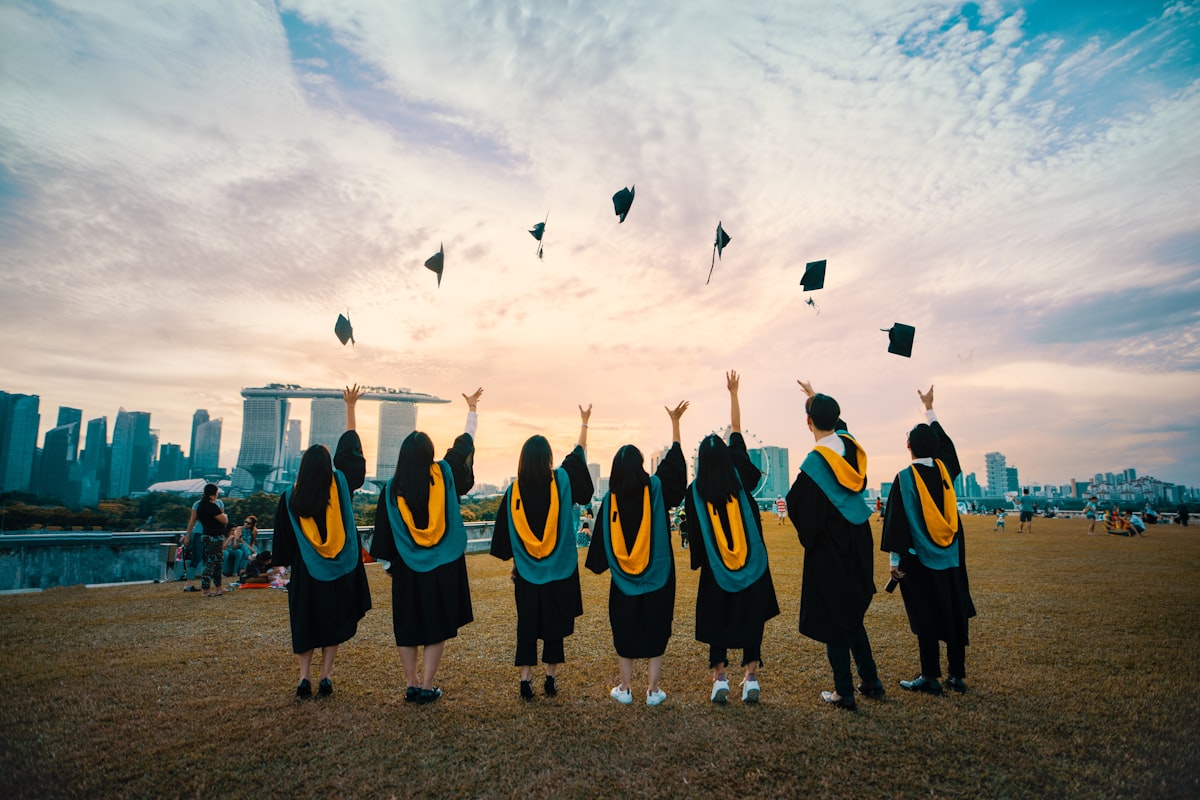
The University Early Admission Fair 2026 at COEX Seoul (July 23) is Korea’s largest college admission fair, attended by 50,000+ students and parents. This pre-event guide covers what international students, education agents, and families considering Korean universities need to know.
Event Essentials
- Date: July 23, 2026 (single day)
- Venue: COEX Hall A, 513 Yeongdong-daero, Gangnam-gu, Seoul
- Hours: 10:00 — 17:00 (KST)
- Official website: univexpo.kr
- Admission: Free. No registration required, but early arrival recommended for popular booths.
What to Expect
Expect 100+ Korean universities including Seoul National, KAIST, POSTECH, Yonsei, Korea, Sungkyunkwan, and many regional universities. Each booth has admissions officers, current students, and program-specific counselors. The fair covers early admission processes, regular admission, transfer admissions, and international student pathways. Seminars run throughout the day on admission strategies, essay writing, and interview preparation.
Getting There and Tips for International Visitors
COEX is directly connected to Samseong Station (Line 2). International students and families should note that this fair is primarily in Korean — bring a translator or translation app. For international student admissions specifically, many universities have separate offices that handle applications differently from domestic admissions. Contact those offices directly for English-language guidance.
Beyond the Show
COEX connects to Starfield COEX Mall. The nearby Gangnam area has many private academies and study cafes popular with Korean students. For international students considering Korea, nearby universities like Yonsei, Sogang, and Ewha are accessible via subway from COEX. The National Museum of Korea (15 min by taxi) is worth a visit for cultural context.
Related Events at COEX
University Early Admission Fair 2026 is one of several exhibitions taking place at COEX on July 30, 2026. If you’re visiting Seoul for this event, you may also want to check out these other events happening simultaneously at the same venue:
- Join our comprehensive guides for each event to plan your exhibition visit efficiently.
Character Licensing Fair 2026, Seoul Illustration Fair V.21, EDUCARE & KIDS FAIR 2026.
Frequently Asked Questions
Q. Is this fair useful for international students?
A. Somewhat. Most booths focus on domestic admissions, but major universities have international student counselors present.
Q. What languages are spoken at the fair?
A. Primarily Korean. Major universities may have English-speaking staff. Bring a translator or use Papago.
Q. Can I apply on the spot?
A. No, this is an information fair. Applications are submitted online through each university’s portal.
Q. What should I bring?
A. Notebook, phone for photos of materials, questions list, and a translator app if you don’t speak Korean.
Q. Is there an international student section?
A. Not as a separate section, but most major universities have international admissions counselors at their booths.
Q. When is the best time to arrive?
A. Arrive at opening (10:00) for less crowded booths. After 14:00 gets very busy with families.
Understanding Korean University Admission Systems
Korean universities operate two main admission tracks that international students should understand before attending the fair. The Early Admission system (SUSI / 수시) accounts for approximately 70-80% of all university admissions and evaluates applicants based on high school grades (naesin / 내신), admission essays (jasoseo / 자기소개서), interviews, and extracurricular activities rather than solely on CSAT scores. The Regular Admission system (JEONGSI / 정시) relies primarily on CSAT (Suneung / 수능) exam scores and offers fewer available slots with higher competition. For international students specifically, most Korean universities operate a dedicated International Admission track. This track evaluates candidates based on high school transcripts, language proficiency — TOPIK for Korean-taught programs or IELTS/TOEFL for English-taught programs — and a personal statement. At the fair, look for “Global” or “International” signage at each university booth to locate the right counselors. The Global Korea Scholarship (GKS) information booth near the main entrance provides comprehensive details on fully funded government scholarships covering tuition, airfare, monthly living stipend, and Korean language training.
Scholarships & Financial Aid for International Students
Korea offers some of the most generous scholarship programs for international students in Asia. The Global Korea Scholarship (GKS) sponsored by the Korean Ministry of Education is the flagship program — it covers full tuition, round-trip airfare, a monthly living allowance of approximately ₩1,000,000, one year of Korean language training at a designated institution, comprehensive medical insurance, and a settlement allowance. Undergraduate and graduate students from over 150 countries are eligible. University-specific scholarships complement government programs — Seoul National University offers the SNU Global Scholarship covering full or partial tuition for outstanding international candidates. Yonsei University provides the Yonsei International Scholarship. KAIST and POSTECH offer full scholarships to all admitted international graduate students including generous research assistantship stipends. At the fair, visit each university’s booth and specifically ask about “global scholarships” or “international student financial aid.” Many universities offer merit-based tuition waivers from 30% to 100% for high-achieving applicants. The NIIED (National Institute for International Education) booth provides printed guides to all government-sponsored programs with application timelines and eligibility requirements.
Frequently Asked Questions
Q. Can international students apply through the SUSI Early Admission system?
A. Generally, no — SUSI is designed for Korean domestic students following the Korean high school curriculum. International students apply through separate International Admission tracks at each university. However, Korean nationals who completed their entire secondary education abroad may have specific options — ask at each university’s global booth for guidance on your situation.
Q. What TOPIK level do I need for Korean-taught degree programs?
A. Requirements vary by university and program level. Most undergraduate programs require TOPIK Level 3 or 4. Graduate programs typically require Level 4 or 5. Competitive fields like medicine, law, and Korean studies often require Level 6. Some universities offer conditional admission with a one-year Korean language program — you begin language study immediately and start your degree upon achieving the required TOPIK score.
Q. Are there English-taught programs at Korean universities?
A. Yes, and the number is growing rapidly. At graduate level, KAIST, POSTECH, Seoul National, Yonsei, and Korea University all offer extensive English-taught programs particularly in STEM, business administration, and international studies. For undergraduate studies, approximately 30-50% of programs at SKY universities offer English-track options. Typical English requirements are IELTS 6.5 or TOEFL 80+ for undergraduate and IELTS 7.0 or TOEFL 90+ for graduate programs.
Q. When are application deadlines for international student admissions?
A. Most Korean universities offer two intake periods. Spring intake (March start): applications typically open August through October. Fall intake (September start): applications open April through June. The GKS scholarship application period usually runs February through March. Deadlines are strict and vary by university — always verify exact dates on each institution’s international admissions webpage.
Q. Can I work part-time as an international student in Korea?
A. Yes. International students holding a D-2 visa can work up to 20 hours per week during academic semesters and full-time during official vacation periods after completing at least one semester. A part-time work permit (siganje chwigeop / 시간제 취업) must be obtained from Korea Immigration Service. Students with TOPIK Level 4 or higher qualify for a broader range of job categories.
Q. What documents should I prepare before attending the fair?
A. Standard application requirements include: high school transcript and diploma (apostilled or notarized per Korean requirements), bank statement showing sufficient funds (approximately $20,000 USD), valid language proficiency test scores, passport copy, personal statement, and recommendation letters. Requirements vary by university — bring a checklist to the fair and collect each institution’s specific requirements for comparison.
Authoritative Sources
- University Early Admission Fair 2026 official website
- COEX event calendar
- Study in Korea (official government portal)
- Korean Council for University Education
- Korea Tourism Organization
I’m K-Expos. I write pre-event guides for trade shows, expos, and conventions across Korea — from COEX and KINTEX to BEXCO and beyond. Subscribe for monthly coverage of Korea’s major exhibitions.
Information Verification: Event details, venue assignments, ticket prices, and admission policies were verified against official sources as of 2026-07-30. Exhibitions may change schedules or details after publication. K-Expos recommends confirming directly with each event organizer before making travel arrangements.